Healthcare Changes That Are Here to Stay After COVID-19
The arrival of 2020 marked a global turning point as the COVID-19 pandemic reshaped healthcare systems and everyday life across the world. This unprecedented public health crisis affected virtually every country, forcing healthcare professionals to respond to extraordinary challenges while accelerating changes that continue to influence the way medical care is delivered today.
Doctors, nurses, and healthcare teams worked tirelessly on the front line as millions of people became infected. Beyond its tragic human cost, the pandemic also transformed healthcare delivery, introducing new practices and services that have become a permanent part of modern medicine.
Telemedicine
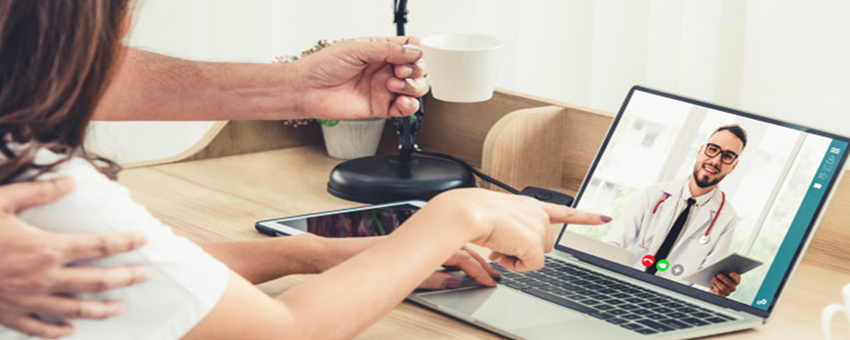
Perhaps the most significant development has been the widespread adoption of telemedicine. Concerns about infection and the need to minimise unnecessary face-to-face contact led to an unprecedented increase in remote medical consultations.
At Semesur Assistance, our advanced telemedicine platform enables patients to receive high-quality medical care through secure video consultations or telephone appointments. With smartphones, tablets, and computers now available in most households, physicians can assess symptoms, make clinical recommendations, prescribe appropriate treatments, and communicate directly with pharmacies when necessary.
The pandemic also highlighted the impact of delayed treatment for patients with conditions unrelated to COVID-19. Many individuals experienced worsening health because routine medical care became difficult to access during lockdowns.
Telemedicine helps prevent these situations by ensuring continuous medical support. It is particularly valuable for patients with chronic illnesses, allowing healthcare professionals to monitor their condition regularly without requiring unnecessary visits to healthcare facilities.
COVID-19 Testing
Rapid COVID-19 antibody and diagnostic testing quickly evolved from an exceptional measure into a routine healthcare service.
Individuals experiencing symptoms—or simply wishing to confirm whether they had been infected—could obtain reliable results within a short period of time. Many employers also introduced testing programmes for their workforce, while certain industries required testing before returning to work.
In some circumstances, COVID-19 testing also became an important requirement for international travel or access to high-risk environments.
One clear example was residential care facilities, where protecting vulnerable older adults became a priority. In some cases, family members were required to present a negative COVID-19 test before being allowed to visit residents.
Fewer Unnecessary Hospital Visits
Hospital overcrowding was one of the greatest challenges faced during the pandemic. During the most critical periods, healthcare resources were almost entirely focused on treating patients with COVID-19.
As healthcare systems adapted, the increased use of telemedicine helped reduce unnecessary visits to emergency departments and hospitals. Patients requiring physical examination or urgent treatment continued to receive in-person care, while many other consultations could be managed safely from home.
Another lasting change introduced by Semesur Assistance was the implementation of COVID-19 triage protocols, helping ensure that patients without suspected coronavirus infection were assessed separately whenever possible. These procedures contributed to reducing the risk of cross-infection for both patients and healthcare professionals.
Home Medical Visits
The pandemic also reinforced the importance of home medical visits.
Although demand did not increase as dramatically as for telemedicine, providing medical care in patients' homes became an effective way to reduce unnecessary travel and minimise exposure to COVID-19 and other infectious diseases while ensuring patients continued to receive professional medical attention.
Healthcare That Continues to Evolve
Many of the healthcare innovations introduced during the pandemic have become permanent features of modern medical practice.
With Semesur Assistance, you can access advanced healthcare services—including telemedicine, COVID-19 testing, and home medical visits—either through your private health insurance provider or by contacting us directly.
Our medical team is available 24 hours a day, 365 days a year. You can reach our 24-hour Assistance Centre by calling +34 91 10 10 900, requesting a callback through our online contact form, or asking for a personalised quotation by telephone.
There are many ways to contact Semesur Assistance, but they all have one goal:
Keeping your health in the very best hands.
Do you need medical assistance now?
Our team is available 24 hours a day, 365 days a year to assist you.
(+34) 91 10 10 900