HOW TO TREAT JELLYFISH STINGS: A PRACTICAL SUMMER GUIDE
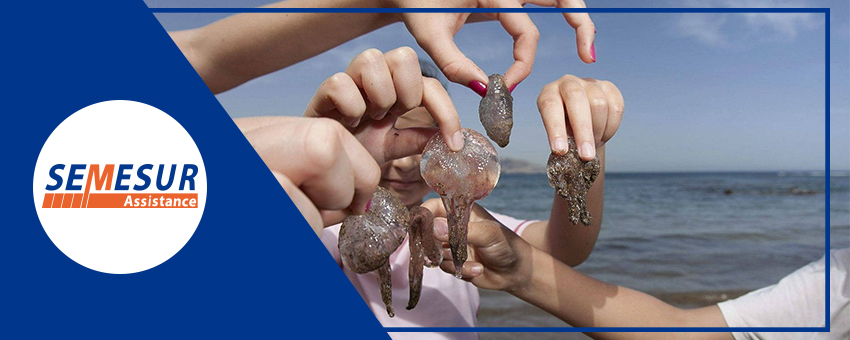
HOW TO TREAT JELLYFISH STINGS: A PRACTICAL SUMMER GUIDE
Jellyfish stings are a common problem on beaches during the summer. Although most stings are painful but not serious, knowing how to treat them properly can help relieve pain and prevent complications. Below, we provide a practical guide on how to effectively treat a jellyfish sting.
1. GET OUT OF THE WATER IMMEDIATELY
If you have been stung by a jellyfish, the first thing you should do is get out of the water as quickly as possible. Jellyfish release toxins through their tentacles, and it is important to prevent further contact. By leaving the water, you reduce the risk of more tentacles coming into contact with your skin and of the toxins spreading.
2. AVOID SCRATCHING OR RUBBING THE STING
It is essential to resist the temptation to scratch or rub the affected area. Doing so can cause more toxins to be released and allow the venom to penetrate deeper into the skin. Additionally, rubbing can break the tentacles, making them more difficult to remove.
3. RINSE THE AREA WITH SEAWATER
Once out of the water, rinse the affected area with seawater, not fresh water. Fresh water can cause any remaining nematocysts (stinging cells) that have not yet been activated to release more toxins. Seawater is the safest option for cleaning the sting.
4. CAREFULLY REMOVE ANY REMAINING TENTACLES
Some tentacle fragments may remain attached to your skin. To remove them, use a tool such as a credit card or a similar flat object and gently scrape the affected area. Avoid touching the tentacles directly with your hands, as they may still release toxins.
5. APPLY VINEGAR OR BAKING SODA
Vinegar is a traditional remedy that may help neutralize the venom of certain jellyfish species. If you have vinegar available, soak a cloth or gauze in it and apply it to the sting for 15 to 30 minutes. If vinegar is not available, a paste made with baking soda and seawater may also help relieve pain and neutralize toxins.
6. SOAK THE AREA IN HOT WATER
After removing the tentacles and applying vinegar, soaking the affected area in hot water (not boiling) for 20 to 45 minutes may help reduce pain. Heat can deactivate the toxins responsible for the burning sensation.
7. TAKE PAIN RELIEVERS
If the pain persists, you can take over-the-counter pain relievers, such as ibuprofen or paracetamol, to relieve discomfort. Always follow the medication instructions to ensure you are taking the correct dosage.
8. MONITOR SYMPTOMS AND SEEK MEDICAL ATTENTION IF NECESSARY
Although most jellyfish stings are not serious, in some cases they can cause severe allergic reactions. If you experience symptoms such as difficulty breathing, dizziness, nausea, or extensive swelling, seek medical attention immediately. It is also advisable to consult a doctor if the sting covers a large area of the body or affects young children or people with underlying health conditions.
HOW TO TREAT JELLYFISH STINGS
Knowing how to treat a jellyfish sting can make a significant difference to your beach experience. By acting quickly and following these steps, you can relieve pain and prevent complications, allowing you to enjoy the rest of your day at the beach with peace of mind. Remember that if symptoms persist or worsen, it is essential to seek medical attention to ensure that the sting does not lead to further complications.
Do you need medical assistance now?
Our team is available 24 hours a day, 365 days a year to assist you.
(+34) 91 10 10 900