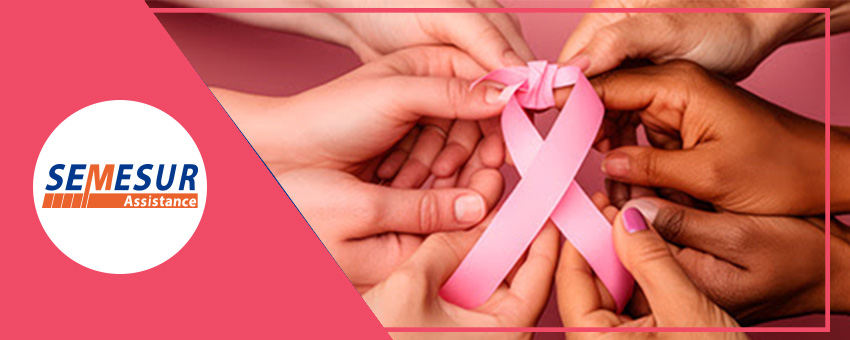
Every year on October 19, the world turns pink in recognition of World Breast Cancer Day. The main purpose of this day is to raise awareness about one of the most common diseases affecting women worldwide. However, when detected early, breast cancer has a very high chance of being successfully treated. Promoting awareness of the importance of early detection and access to effective treatment is essential to reducing the mortality rates still associated with this disease.
WHAT IS BREAST CANCER?
Breast cancer is a disease that occurs when cells in the breast tissue begin to grow uncontrollably. These cells can form tumors that, if not detected early, may spread to other parts of the body. It is the most common type of cancer among women worldwide, although it can also affect men, albeit much less frequently.
THE IMPORTANCE OF EARLY DETECTION
One of the key messages of World Breast Cancer Day is the importance of early detection. According to the World Health Organization (WHO), when breast cancer is diagnosed in its early stages, the chances of successful treatment are very high—close to 90%.
There are several ways to detect breast cancer, including:
- Breast Self-Examination: Women should learn how to perform regular breast self-examinations, which can help identify any suspicious changes in breast tissue.
- Mammograms: Women aged 40 and over are generally advised to have an annual mammogram, or as recommended by their healthcare provider. Mammography is an effective screening tool that can detect tumors before they can be felt.
- Regular Medical Checkups: Routine visits to a gynecologist or primary care physician allow for comprehensive breast examinations and personalized recommendations based on an individual's medical history.
BREAST CANCER PREVENTION AND RISK FACTORS
Although not all cases of breast cancer can be prevented, adopting a healthy lifestyle can significantly reduce the risk of developing the disease. Modifiable risk factors include:
- Maintaining a Healthy Weight: Being overweight, particularly after menopause, increases the risk of breast cancer.
- Limiting Alcohol Consumption: Excessive alcohol intake has been linked to a higher risk of developing breast cancer.
- Exercising Regularly: Physical activity helps reduce inflammation and supports healthy hormonal balance.
- Limiting Hormone Replacement Therapy During Menopause: Long-term use of hormone replacement therapy may increase the risk of breast cancer.
SUPPORT FOR PATIENTS AND SURVIVORS
For patients, the battle against breast cancer is not only physical but also emotional. Treatments such as surgery, chemotherapy, and radiation therapy can have a significant impact on both quality of life and body image.
A strong support network—including family, friends, and healthcare professionals—is essential in helping patients cope with the challenges of the disease. Many women also find strength and encouragement through patient and survivor communities, where shared experiences provide hope, understanding, and motivation.
HOW YOU CAN HELP THE FIGHT AGAINST BREAST CANCER
Even if you have no direct connection to breast cancer, everyone can play a role in raising awareness and supporting the cause. Here are some ways to help:
- Learn and Educate Others: Share information about the importance of early detection and breast cancer risk factors. Use your social media platforms or talk to family and friends.
- Participate in Events and Campaigns: Many organizations host walks, runs, and fundraising events to support breast cancer research and patient care.
- Donate: Supporting charities and organizations dedicated to breast cancer research or patient assistance can make a meaningful difference.
- Wear the Pink Ribbon: The pink ribbon is the international symbol of support for people affected by breast cancer and serves as a visible reminder of the ongoing fight against the disease.
BREAST CANCER
World Breast Cancer Day reminds us that everyone can be part of the solution—whether through prevention, supporting those undergoing treatment, or contributing to research. Today more than ever, it is essential to continue raising awareness about the importance of early detection and appropriate treatment to help save lives.
Remember: Prevention and awareness are the most powerful tools in the fight against breast cancer.