MEDITERRANEAN DIET IN SUMMER
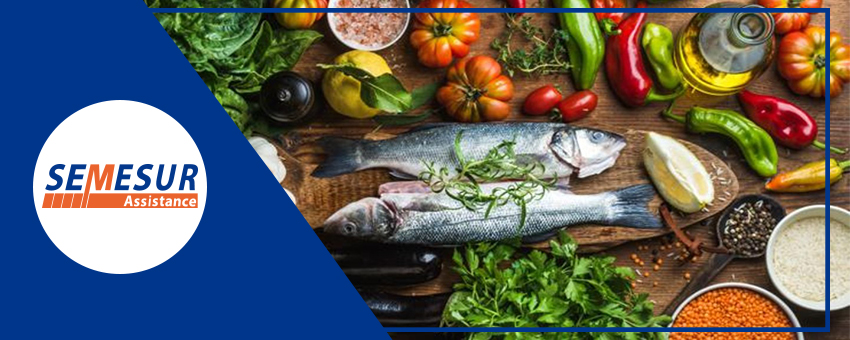
The Mediterranean diet is a healthy eating plan. It is based on vegetables and incorporates traditional flavours and cooking methods, making it the foundation of a healthy diet. It is also recommended by specialists and nutritionists due to all its benefits.
WHAT DOES THE MEDITERRANEAN DIET CONSIST OF?
The Mediterranean diet is based on the regular consumption of olive oil, plant-based foods such as fruits, vegetables, legumes and nuts, bread, dairy products (yoghurts and cheeses), cereals and derivatives (such as pasta or rice), fresh meat, eggs, fish and, of course, water.
ADVANTAGES OF THE MEDITERRANEAN DIET
The Mediterranean diet is one of the most complete, balanced and healthy diets that exist. The Mediterranean diet has multiple benefits, including:
-
Prevents premature ageing of cells.
-
Improves the functioning of various organs, such as the kidneys and the heart.
-
Reduces the consumption of preservatives and additives.
-
Helps eliminate waste and toxins from our body, and also helps prevent breast and colon cancer.
-
Reduces the likelihood of suffering from Parkinson’s disease.
-
Helps prevent diabetes.
-
Prevents obesity and cardiovascular diseases.
-
Increases cerebrovascular protection against diseases such as multiple sclerosis and helps reduce bad cholesterol while increasing good cholesterol.
-
Improves life expectancy.
-
Helps control weight.
FOODS IN THE MEDITERRANEAN DIET
What foods make up the Mediterranean diet?
1. Olive oil
It is the main oil used in Mediterranean cuisine and is rich in vitamin E, beta-carotenes and monounsaturated fatty acids, which provide it with heart-protective properties.
2. Plant-based foods
Vegetables, fruits, legumes and nuts are the main source of vitamins, minerals and fibre within the Mediterranean diet. Thanks to their high antioxidant content, they can help prevent, among others, certain cardiovascular diseases and some types of cancer.
For this reason, the recommendation is to consume 5 portions of fruit and vegetables every day. In addition, fresh fruit should be the usual dessert, replacing sweets and pastries, which should only be consumed occasionally. They are also a good option mid-morning and as a snack.
3. Cereals
Daily consumption of bread and cereal-based foods, such as pasta or rice, is essential due to their high carbohydrate content. These foods provide an important part of the energy needed for daily activities.
The best choice is to opt for whole-grain products, as they provide more fibre.
4. Dairy products
Dairy products are excellent sources of high biological value proteins, minerals (calcium, phosphorus, etc.) and vitamins. For this reason, it is recommended to consume yoghurt and cheese daily.
5. Fresh meat
Fresh meat is an important source of high biological value proteins, meaning that the proteins it contains are highly usable by the body as they provide a greater number of essential amino acids.
In general, meat also contains vitamins and minerals. It is a good source of vitamin B12, iron, potassium, phosphorus and zinc.
A consumption of 3 to 4 portions of meat per week is recommended, always prioritising lean cuts and including them in dishes based on vegetables and cereals. This type of meat includes chicken and turkey, so it is advisable to consume two portions per week.
6. Eggs
Although in recent years egg consumption has been associated with cholesterol, the truth is that eating one egg a day is compatible with a heart-healthy diet.
Eggs contain very high-quality proteins, fats and many vitamins and minerals, making them a balanced food with a low calorie content. They are a great source of high-quality proteins, as well as a wide range of vitamins and minerals.
7. Fish
The consumption of oily fish is recommended at least once or twice a week, as its fats have properties very similar to fats of vegetable origin, which are associated with protective effects against cardiovascular diseases.
8. Water
Water is the main drink in the Mediterranean diet. A daily intake of between 1.5 and 2 litres of water should be guaranteed for proper hydration and to maintain good body balance.
However, needs vary depending on age, level of physical activity and weather conditions.
Do you need medical assistance now?
Our team is available 24 hours a day, 365 days a year to assist you.
(+34) 91 10 10 900