Hantavirus 2026: Complete Guide to Symptoms and Prevention
Hantavirus 2026: Complete Guide to Symptoms and Prevention
Hantavirus has once again attracted the attention of global health authorities. Although it is not a new virus, recent outbreaks in rural areas and increased interaction between humans and rodents have led to growing interest in how to protect against infection. In this article, we explain everything you need to know: from the first symptoms to the essential cleaning measures to prevent transmission.
WHAT IS HANTAVIRUS AND HOW IS IT TRANSMITTED?
Hantavirus is a zoonotic disease (transmitted from animals to humans) caused by various viruses belonging to the Hantaviridae family. Unlike other respiratory viruses, it is not usually transmitted from person to person (with very rare exceptions, such as the Andes strain), but rather through contact with wild rodents.
Main routes of transmission:
Inhalation:
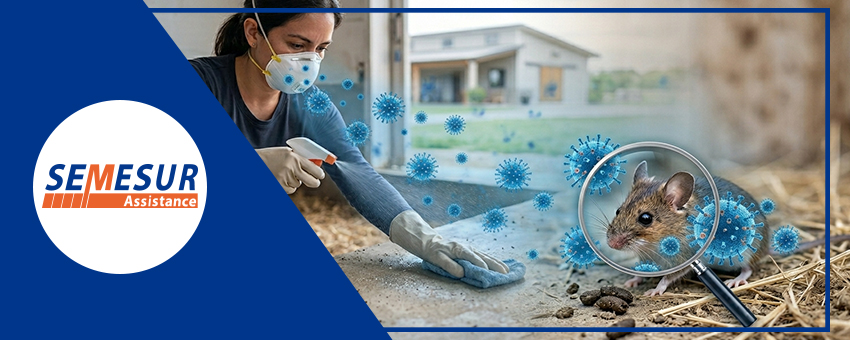
This is the most common cause. It occurs when breathing air contaminated by saliva, urine, or droppings from infected mice that have been disturbed (for example, when sweeping a closed garage).
Direct contact:
Touching rodent droppings or nests and then touching the nose or mouth.
Bites:
Although uncommon, the virus can enter the body through a wound caused by a rodent.
SYMPTOMS OF HANTAVIRUS PULMONARY SYNDROME (HPS)
Early detection of Hantavirus is essential, as its initial symptoms can easily be confused with a common flu or COVID-19.
1. Initial Phase (Days 1 to 5)
Patients usually experience:
-
High fever and chills.
-
Severe muscle pain (especially in the thighs, back, and shoulders).
-
Fatigue and dizziness.
-
Gastrointestinal problems (nausea, vomiting, or abdominal pain).
2. Critical Phase (Respiratory Difficulty)
As the disease progresses (usually after 4 to 10 days), severe symptoms may appear:
-
Persistent cough.
-
Severe difficulty breathing (shortness of breath).
-
Chest pressure.
If you experience breathing difficulties after being in rural areas, barns, storage buildings, or enclosed spaces, seek urgent medical attention immediately.
PREVENTION: HOW TO PROTECT YOUR HOME AND WORKPLACE
Prevention is the only effective tool, as there is currently no specific vaccine or curative antiviral treatment for Hantavirus.
Safe Cleaning of Closed Spaces
If you are going to clean a place that has been closed for a long time (cabins, storage rooms, barns), NEVER sweep or use a vacuum cleaner immediately.
Follow this protocol:
Ventilation:
Open doors and windows for at least 30 minutes before entering.
Protection:
Wear a mask (preferably an N95) and rubber gloves.
Disinfection:
Spray floors and surfaces with a mixture of bleach and water (ratio 1:10). Allow it to work for 5 minutes.
Wet cleaning:
Remove waste using a damp cloth or mop.
Rodent Control
-
Seal cracks and openings larger than 0.5 cm in walls.
-
Keep rubbish in sealed and elevated containers.
-
Cut grass within a 30-metre radius around the home.
-
Do not leave pet food outdoors overnight.
FREQUENTLY ASKED QUESTIONS (FAQ) ABOUT HANTAVIRUS
Can Hantavirus be cured?
Treatment is based on medical support, usually in intensive care units (including respiratory support when necessary). Survival rates increase significantly with early detection.
How long does the virus survive in the environment?
The virus is sensitive to sunlight and disinfectants, but it can survive for several days in dark and humid environments, particularly inside rodent droppings.
Is it the same as the Ebola virus?
No. Although both diseases can cause haemorrhagic fever in certain regions (such as Europe or Asia), Hantavirus pulmonary syndrome in the Americas mainly affects the respiratory system.
CONCLUSION
Hantavirus is a real threat in rural and semi-urban environments, but the risk can be greatly reduced through proper hygiene and ventilation.
Stay informed, protect your home, and if you experience symptoms after a potential exposure, do not hesitate to seek medical attention.
Do you need medical assistance now?
Our team is available 24 hours a day, 365 days a year to assist you.
(+34) 91 10 10 900