SLEEP APNEA: CAUSES, SYMPTOMS AND TREATMENTS
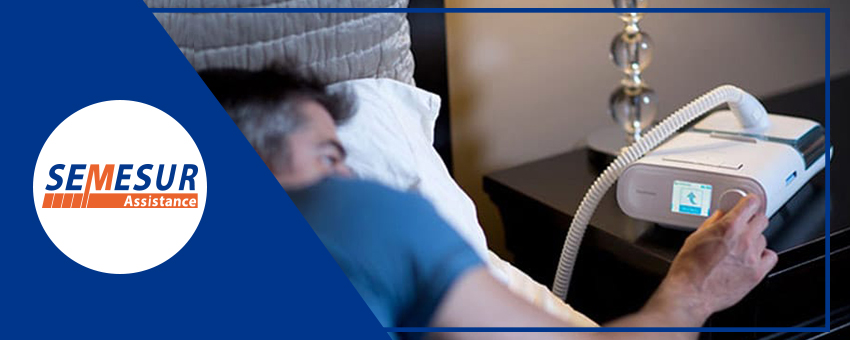
Sleep apnea is a common disorder that affects millions of people around the world. Despite its prevalence, many people are unaware that they suffer from this condition, which can have serious long-term health consequences. In this blog, we will explore what sleep apnea is, its causes, symptoms, and the available treatment options.
WHAT IS SLEEP APNEA?
Sleep apnea is a disorder in which breathing repeatedly stops and starts during sleep. These pauses in breathing can last from a few seconds to several minutes and may occur 30 times or more per hour. There are three main types of sleep apnea:
Obstructive sleep apnea (OSA): This is the most common type and occurs when the muscles in the throat relax excessively, blocking the airways.
Central sleep apnea (CSA): Less common, it occurs when the brain fails to send proper signals to the muscles that control breathing.
Complex sleep apnea (treatment-emergent central sleep apnea syndrome): This is a combination of obstructive and central sleep apnea.
CAUSES AND RISK FACTORS
Sleep apnea can be caused by several factors, including:
Excess weight: Obesity is a significant risk factor due to the accumulation of fat around the upper airways.
Age: The incidence of sleep apnea increases with age.
Sex: Men are more likely to suffer from sleep apnea than women.
Anatomy: Factors such as airway size, neck thickness and jaw position may contribute to the condition.
Medical conditions: Conditions such as hypertension, diabetes and metabolic syndrome are associated with a higher risk of sleep apnea.
Hereditary factors: A family history of sleep apnea can increase the risk.
SYMPTOMS OF SLEEP APNEA
Symptoms of sleep apnea can vary, but the most common include:
-
Loud and persistent snoring.
-
Pauses in breathing during sleep (observed by another person).
-
Waking up suddenly with gasping or a feeling of choking.
-
Excessive daytime sleepiness.
-
Difficulty concentrating and memory problems.
-
Irritability and mood changes.
-
Morning headaches.
-
Dry mouth or sore throat upon waking.
DIAGNOSIS OF SLEEP APNEA
If you suspect that you may have sleep apnea, it is essential to seek medical evaluation. Diagnosis usually involves an assessment of symptoms, a physical examination and a sleep study.
The sleep study, known as polysomnography, monitors various body functions during sleep, such as breathing, brain activity, blood oxygen levels, heart rate, and eye and leg movements.
TREATMENT OF SLEEP APNEA
Treatment for sleep apnea depends on the severity and the underlying cause of the disorder. Options include:
Lifestyle changes: Losing weight, avoiding alcohol and sedatives, and changing sleeping positions (sleeping on your side instead of your back) can help relieve symptoms.
Continuous positive airway pressure devices (CPAP): This is the most common and effective treatment for obstructive sleep apnea. CPAP uses a mask connected to a machine that provides a continuous flow of air to keep the airways open.
Oral appliances: These devices, worn in the mouth during sleep, help keep the airways open by moving the jaw forward.
Surgery: In severe cases, surgery may be considered to remove or reduce tissue blocking the airways or to correct structural problems.
Treatment of underlying conditions: If sleep apnea is caused by an underlying medical condition, treating that condition may improve sleep apnea symptoms.
UNDERSTANDING SLEEP APNEA: CAUSES, SYMPTOMS AND TREATMENTS
Sleep apnea is a serious condition that can significantly affect quality of life and overall health if left untreated. If you experience symptoms of sleep apnea, it is essential to seek medical advice for proper diagnosis and treatment.
With the right treatment, most people with sleep apnea can lead normal and healthy lives, improving both their sleep quality and overall well-being. Do not ignore the warning signs and take action to protect your sleep health!
Do you need medical assistance now?
Our team is available 24 hours a day, 365 days a year to assist you.
(+34) 91 10 10 900