THE VACCINATION CAMPAIGN: IMPORTANCE AND PRIORITY GROUPS
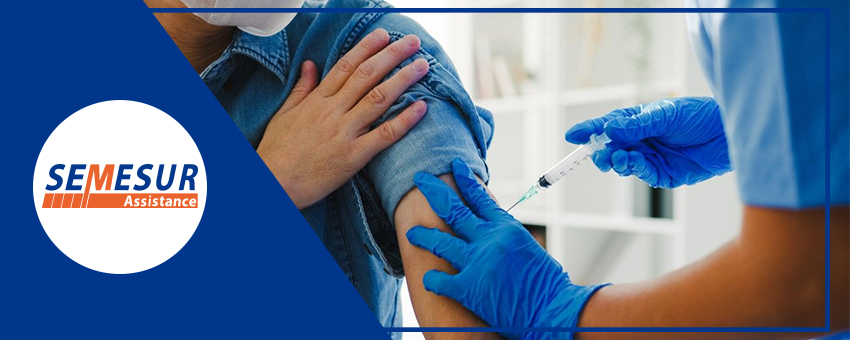
Vaccination has been one of the greatest achievements of modern medicine and has played a crucial role in preventing serious and potentially life-threatening diseases. As the world faces global health challenges, vaccination campaigns have become an essential resource for protecting the population. In this article, we will explore the importance of vaccination campaigns and who the priority groups are for receiving them.
THE IMPORTANCE OF VACCINATION CAMPAIGNS:
Prevention of infectious diseases: Vaccines are effective tools for preventing infectious diseases such as influenza, measles, polio, hepatitis, COVID-19, and many others. They reduce the spread of diseases by creating immunity within the population.
Protection of public health: Mass vaccination is essential for protecting public health. By achieving high vaccination rates, what is known as "herd immunity" or "community immunity" is created, which protects those who cannot be vaccinated, such as newborns or people with weakened immune systems.
Reduction of the economic burden: Vaccine-preventable diseases have a significant economic cost. Vaccination campaigns help reduce the economic burden and healthcare expenses by preventing illnesses and hospitalizations.
PRIORITY GROUPS FOR VACCINATION:
Healthcare workers: Healthcare personnel, including doctors, nurses, and frontline healthcare workers, are a priority group for receiving vaccines. This ensures the protection of those at the forefront of medical care and prevents outbreaks in healthcare settings.
Older adults: Older people have a higher risk of severe illness and complications from infectious diseases. Vaccination provides protection for this vulnerable group.
High-risk groups: People with chronic illnesses, weakened immune systems, or underlying medical conditions are considered a priority. These individuals have a higher risk of complications if they contract infectious diseases.
Educators and essential workers: Educators and other essential workers play a crucial role in society. Vaccinating these groups helps maintain the continuity of essential services, such as education.
At-risk population groups: This includes people living in high-risk environments, such as nursing homes, prisons, and shelters. Vaccination in these settings helps prevent outbreaks.
General population: Once priority groups have been vaccinated, vaccination campaigns are extended to the general population in order to achieve community immunity.
In conclusion, vaccination campaigns play a fundamental role in preventing infectious diseases and protecting public health. Identifying priority groups for vaccination ensures that the most vulnerable populations receive early protection. Vaccination is a collective effort that contributes to the safety and well-being of society as a whole and is an essential tool in the fight against infectious diseases.
Do you need medical assistance now?
Our team is available 24 hours a day, 365 days a year to assist you.
(+34) 91 10 10 900