THE QUINTUPLEDEMIC: WHAT IS IT AND HOW TO DEAL WITH IT
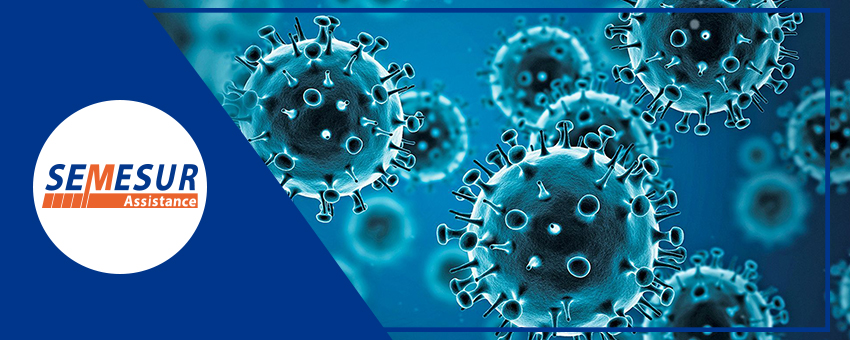
In recent years, the term “quintupedemic” has begun to gain relevance in medical circles and the media. This term refers to the simultaneous convergence of five respiratory or infectious diseases that, together, can place significant pressure on healthcare systems, especially during the autumn and winter seasons. In this article, we will explore what the quintupedemic is, its implications, and how we can protect ourselves.
WHAT IS THE QUINTUPEDEMIC?
The quintupedemic occurs when five infectious diseases coincide during the same period, affecting a large part of the population. These diseases are generally:
COVID-19: Despite the fact that many people are already vaccinated, the virus continues to circulate and can cause seasonal outbreaks.
Influenza (Flu): A classic illness during the colder months, especially dangerous for older adults and people with chronic conditions.
Respiratory Syncytial Virus (RSV): A leading cause of respiratory infections in young children, but it can also affect older adults.
Bacterial pneumonia: A frequent complication following viral infections.
Common cold (caused by rhinoviruses or others): Although usually less severe, its high incidence contributes to overwhelming medical consultations.
WHY IS IT A CONCERN?
The quintupedemic does not only involve the coexistence of these diseases but also generates several concerning consequences:
Hospital overcrowding: Emergency departments, intensive care units (ICUs), and healthcare resources can become overwhelmed due to a significant increase in patients.
Complex diagnosis: The symptoms of these illnesses are very similar (fever, cough, congestion), making it difficult to determine which infection is affecting the patient.
Impact on vulnerable groups: Older adults, young children, and immunocompromised patients face a higher risk of developing serious complications.
FACTORS CONTRIBUTING TO THE QUINTUPEDEMIC
Relaxation of preventive measures: With the end of mandatory mask use and reduced social distancing, respiratory viruses have regained strength.
Insufficient vaccination coverage: Although vaccines are available for illnesses such as influenza and COVID-19, many people do not receive them, facilitating virus transmission.
Cold weather and enclosed spaces: During winter, people spend more time indoors, increasing the likelihood of infection.
HOW CAN WE PROTECT OURSELVES?
To face the quintupedemic, it is essential to follow prevention strategies that reduce the risk of infection and protect the most vulnerable groups. Some recommendations include:
Get vaccinated: Receive vaccines against influenza, COVID-19, and pneumococcus (according to medical recommendations).
Maintain good hygiene: Wash your hands frequently and avoid touching your face.
Use masks: Especially in crowded and enclosed spaces during epidemic peaks.
Ventilate spaces: Ensure good air circulation at home and at work.
Seek medical advice early: Consult a healthcare professional if respiratory symptoms persist in order to receive an accurate diagnosis.
CHALLENGES FOR THE HEALTHCARE SYSTEM
The quintupedemic represents an unprecedented challenge for healthcare systems, which must prepare for increased demand for medical and hospital services. This includes increasing available resources, such as healthcare personnel, ICU beds, and medical equipment, as well as strengthening prevention and vaccination campaigns.
WHAT IS THE QUINTUPEDEMIC?
The quintupedemic is a reminder that respiratory diseases, although common, can have a significant impact when they occur simultaneously. Protecting ourselves individually through preventive measures and supporting the response capacity of healthcare systems is key to overcoming this phenomenon. Through collective effort, we can reduce its effects and ensure a healthier environment for everyone.
Do you need medical assistance now?
Our team is available 24 hours a day, 365 days a year to assist you.
(+34) 91 10 10 900