Face Masks: Different Types and How to Use Them Correctly
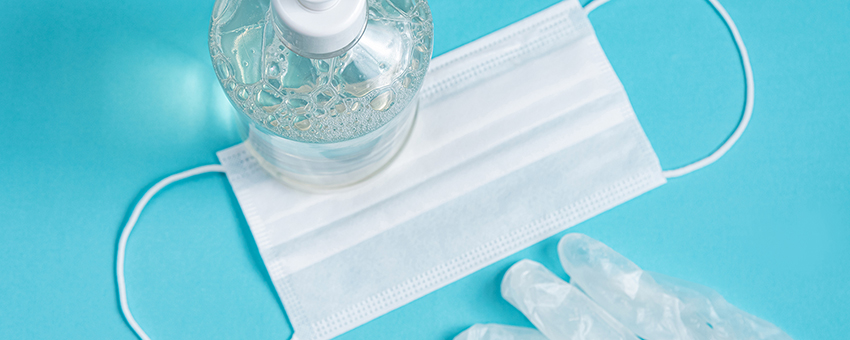
Only a few weeks ago, the use of personal protective equipment (PPE) was largely unfamiliar to the general public, and knowledge of its proper use was mostly limited to healthcare professionals. Unfortunately, the COVID-19 pandemic created unprecedented demand for face masks, gloves, and other protective equipment designed to reduce the spread of the virus.
In Spain, the authorities distributed face masks for use on public transport and recommended wearing them in public spaces. In countries such as Germany and Italy, mask use became mandatory in many settings. At the same time, the World Health Organization (WHO) published guidance entitled "Advice on the Use of Masks in the Context of COVID-19" (6 April 2020), which at that stage did not recommend the widespread use of medical masks by healthy individuals.
The debate surrounding mask use was significant during the early stages of the pandemic. However, public concern about infection made it essential to understand both the different types of face masks available and how to use them correctly.
The three most common categories are hygienic masks, surgical masks, and filtering facepiece respirators.
Hygienic Masks
These masks comply with the Spanish UNE 0064-1 (adults) and UNE 0064-2 (children) specifications. They are generally designed for single use and provide the lowest level of protection.
Masks manufactured under the UNE 0065 specification may be reusable, provided they are washed and disinfected according to the manufacturer's instructions.
The Spanish Ministry of Industry, Trade and Tourism stated that these masks were not designed to protect against specific health risks. Nevertheless, the Ministry of Health considered them an acceptable option for healthy individuals who did not have access to higher-grade protective masks.
Surgical Masks
Surgical masks are primarily intended to reduce the spread of infectious droplets from the person wearing them.
For this reason, they are recommended for individuals diagnosed with COVID-19 or other contagious respiratory illnesses, helping reduce transmission to those around them.
These masks are disposable and should generally not be worn for more than four hours. They do not provide reliable protection against inhaling very small airborne particles.
Filtering Facepiece Respirators (FFP Masks)
Filtering facepiece respirators are the only type of mask that, when correctly fitted and worn, provide a significant level of protection against inhaling airborne particles through high-efficiency filtration.
They are classified according to their filtration performance:
-
FFP1 – Minimum filtration efficiency of 78%, with a maximum inward leakage of 22%.
-
FFP2 – Minimum filtration efficiency of 92%, with a maximum inward leakage of 8%.
-
FFP3 – Minimum filtration efficiency of 98%, with a maximum inward leakage of 2%.
These were the masks most widely discussed during the pandemic, although other certified respirators were also available internationally.
Health authorities consistently emphasised that no face mask alone can completely prevent infection. Masks should always be used together with other preventive measures such as regular handwashing, maintaining physical distance, avoiding touching the eyes, nose, and mouth, and following public health guidance.
How to Use Face Masks and Gloves Correctly
Using protective equipment correctly is just as important as choosing the appropriate type.
The medical team at Semesur Assistance recommends the following best practices:
-
Wash your hands thoroughly with soap and water or use an alcohol-based hand sanitiser before putting on gloves and a face mask.
-
Once you are in an environment where exposure is possible, remember that the outside surfaces of both your gloves and your mask should be considered potentially contaminated.
-
Hold the mask firmly and position it carefully so that it fits securely against your face with as complete a seal as possible.
-
Avoid touching the front of the mask while wearing it.
-
When removing protective equipment, take off your gloves first. Pinch the outside of one glove near the wrist without touching your skin, remove it, then slide clean fingers underneath the inside of the remaining glove and peel it off inside out. Dispose of both gloves immediately.
-
Remove the mask using the straps or ear loops from behind your head or ears. Do not touch the front of the mask.
-
Wash or sanitise your hands thoroughly once the removal process has been completed.
Finally, it is important to remember that homemade cloth face coverings generally provide significantly lower levels of protection than certified medical masks. Under no circumstances should wearing a cloth mask replace other essential preventive measures designed to reduce the spread of infectious diseases.
Do you need medical assistance now?
Our team is available 24 hours a day, 365 days a year to assist you.
(+34) 91 10 10 900