Why Use an FFP2 Face Mask?
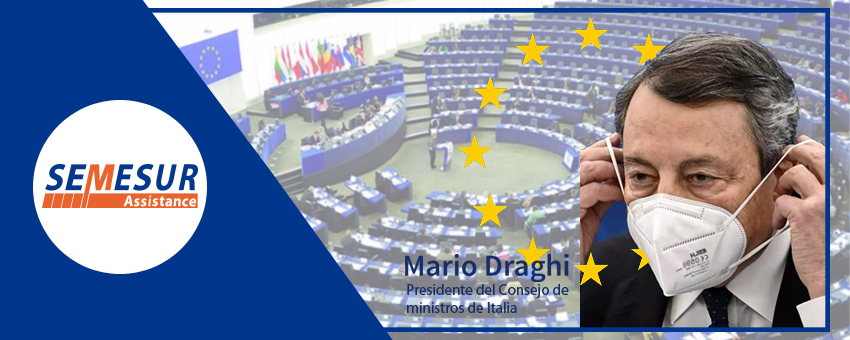
Is It a Coincidence That Senior Officials and European Leaders Wear FFP2 Masks?
The short answer is no. FFP2 masks not only help protect others by reducing the spread of respiratory particles, but also provide a high level of protection to the wearer by filtering airborne particles when fitted correctly.
In enclosed spaces, where viruses are more likely to remain suspended in the air and the risk of transmission is higher, wearing an FFP2 mask is highly recommended whenever possible.
Over the past months, it has been common to see senior political leaders and public officials across Europe wearing FFP2 masks during meetings and official events. This is particularly the case when attending indoor gatherings, meeting people from outside their household or organisation, interacting with international visitors, or when individuals are at increased risk due to age or other factors.
Compared with surgical and hygienic masks, FFP2 masks offer a higher level of protection. Although they are generally more expensive, they have become an essential part of everyday life for many people seeking greater protection.
FFP2 Masks
FFP2 masks are filtering facepiece respirators designed to filter at least 94% of airborne particles according to the European EN 149 standard. They are particularly recommended for situations where there is a higher risk of exposure to respiratory infections.
One of their main advantages is that they help protect both the wearer and the people around them, provided they are worn correctly and fit securely.
Will FFP2 Masks Become Mandatory, as They Did in Germany?
Several European countries, including Germany at different stages of the COVID-19 pandemic, introduced mandatory FFP2 masks in certain indoor public spaces. These measures varied depending on the public health situation and government regulations in force at the time.
In Spain, the approach was different, with mask requirements evolving gradually. Spanish regulations also established quality standards for hygienic face masks. For example, the UNE 0065 specification defines the technical requirements that reusable hygienic masks must meet to ensure an appropriate level of performance.
These standards are important because homemade cloth masks do not necessarily provide the same level of protection as certified FFP2, surgical or approved hygienic masks.
What Should You Consider When Buying a Mask?
If you do not have symptoms compatible with COVID-19 or another respiratory infection, an FFP2 mask is generally the best option when you want to maximise your personal protection, particularly in crowded indoor environments.
Although hygienic masks are often lighter and more comfortable, protection should be the main consideration when choosing a face covering. While FFP2 masks may feel tighter and less comfortable during prolonged use, they provide a significantly higher level of filtration when worn correctly.
They are especially recommended when visiting busy indoor locations such as:
-
Supermarkets
-
Shops and shopping centres
-
Public transport
-
Hospitals and healthcare facilities
-
Other crowded indoor environments
They are also advisable after close contact with someone known or suspected to have a contagious respiratory infection, following the guidance of local health authorities.
When Should I Wear a Mask?
It is advisable to wear a mask whenever you are in situations where there is an increased risk of transmitting or contracting respiratory infections, particularly in crowded or poorly ventilated indoor spaces.
Depending on the country and current public health regulations, masks may also be required on public transport or in healthcare settings.
Always check the latest local guidance, as mask requirements may change over time.
When Is It Not Necessary to Wear a Mask?
Although masks are strongly recommended in certain situations, there are circumstances in which they may not be required or may be exempted under local regulations, such as:
-
Children below the minimum age established by local legislation.
-
People with medical conditions or respiratory illnesses that make mask use inadvisable.
-
Individuals with disabilities or dependency who cannot safely put on or remove a mask without assistance.
-
People exercising individually outdoors, where permitted by local regulations.
Do you need medical assistance now?
Our team is available 24 hours a day, 365 days a year to assist you.
(+34) 91 10 10 900