WHAT IS THROMBOSIS AND WHO DOES IT AFFECT?
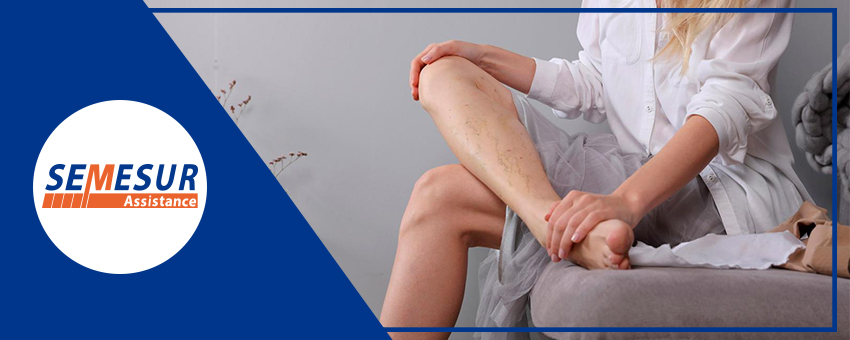
Thrombosis is a term that is often heard in the context of serious health problems, but not everyone knows exactly what it involves or who is susceptible to this condition. In this article, we will explore what thrombosis is, how it develops, and who it affects. The information provided here is essential to better understand this condition and to take preventive measures when necessary.
WHAT IS THROMBOSIS?
Thrombosis is a medical term that refers to the formation of abnormal blood clots inside blood vessels. These clots, known as thrombi, can block the normal flow of blood and cause a series of serious health problems. Thrombosis occurs in two main forms:
Venous thrombosis: This type of thrombosis occurs when clots form in the veins of the body, usually in the legs or arms. Venous clots can block blood flow, causing swelling, pain, and even more serious conditions such as deep vein thrombosis (DVT) or pulmonary embolism.
Arterial thrombosis: These clots develop in the arteries and can cause blockages in blood flow to important organs such as the heart, brain, or lungs. Arterial thrombosis is the main cause of cardiovascular events such as myocardial infarction (heart attack) or stroke.
WHO DOES THROMBOSIS AFFECT?
Thrombosis can affect anyone, regardless of age, gender, or physical condition. However, there are certain risk factors that increase the likelihood of developing thrombosis. Some of these risk factors include:
Advanced age: As we get older, the chances of developing thrombosis increase, especially after the age of 60.
Family history: If you have a family history of thrombosis, your risk may be higher due to inherited genetic factors.
Immobility: Prolonged immobility, such as after surgery or during long flights, can increase the risk of deep vein thrombosis.
Chronic diseases: Conditions such as diabetes, hypertension, and obesity can increase the likelihood of developing arterial thrombosis.
Use of oral contraceptives and hormone therapy: These medications can increase the risk of thrombosis, especially in women who smoke or have other risk factors.
Smoking: Smoking can increase the risk of thrombosis by damaging blood vessel walls and increasing blood viscosity.
Pregnancy and childbirth: Pregnant women have a higher risk of thrombosis, especially during childbirth and the postpartum period.
Cancer: Some types of cancer and associated treatments can increase the risk of thrombosis.
Recent trauma or surgery: Surgeries and serious injuries can activate the coagulation system and increase the risk of thrombosis.
PREVENTION AND TREATMENT OF THROMBOSIS
Prevention is essential when it comes to thrombosis. Some preventive measures include staying active, maintaining a healthy weight, quitting smoking, and controlling underlying health conditions. If you have significant risk factors or a family history of thrombosis, it is important to speak with a healthcare professional about prevention options, such as anticoagulant therapy.
Treatment for thrombosis depends on the type and severity of the condition, but it often involves anticoagulant medications, procedures to remove the clot, or, in severe cases, surgery. It is essential to seek medical attention immediately if you experience symptoms of thrombosis, such as severe leg pain, difficulty breathing, or weakness on one side of the body.
WHAT IS THROMBOSIS AND WHO DOES IT AFFECT?
In summary, thrombosis is a serious condition that can affect anyone, but its risks can be reduced through proper prevention. Understanding risk factors and symptoms is essential to ensure an early response and effective treatment when needed. Education and awareness are the best tools against thrombosis.
Do you need medical assistance now?
Our team is available 24 hours a day, 365 days a year to assist you.
(+34) 91 10 10 900