Risk of Heart Attack Increases with Cold Weather: Preventive Cardiac Check-Up for Hypertensive Patients
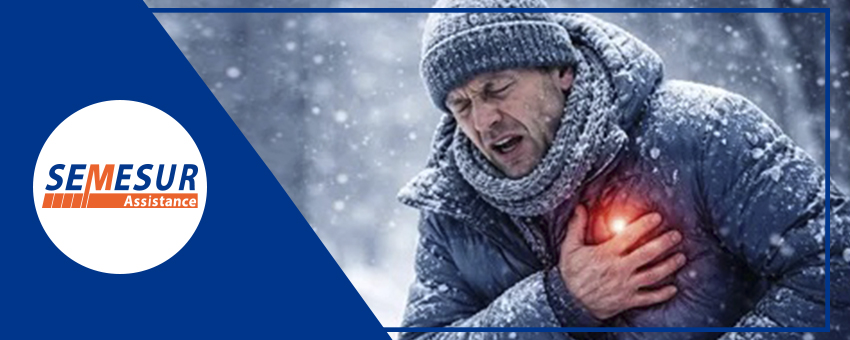
When temperatures drop, we do not only notice the change in our wardrobe or daily routines. Our cardiovascular system also suffers the effects of the cold, especially the heart. Several studies have shown that during the colder months of the year, the incidence of heart attacks, strokes and other cardiovascular complications increases.
For people with high blood pressure, this risk is even greater. That is why winter is a key time to remember the importance of a preventive cardiac check-up.
At SEMESUR, we want to help you understand why this happens and how a timely medical review can make a difference.
Why does cold weather increase the risk of heart attacks?
The human body reacts to cold temperatures by activating several mechanisms to preserve heat. Although these are natural responses, they can place a significant strain on the heart.
Vasoconstriction: arteries become narrower
When it is cold, blood vessels contract (vasoconstriction) to prevent heat loss. This causes blood pressure to rise, as the heart must pump blood with greater force to circulate it through narrower arteries.
In people with hypertension, who already have elevated blood pressure levels, this additional effort can destabilize their cardiovascular condition.
Increased workload for the heart
The heart requires more oxygen when it works harder. If the coronary arteries are partially blocked by cholesterol plaques (something common with ageing or in patients with risk factors), an imbalance may occur between oxygen supply and demand.
This imbalance can trigger:
-
Angina pectoris
-
Arrhythmias
-
Acute myocardial infarction
Increased blood clotting
Low temperatures are also associated with a greater tendency for blood to clot. This increases the likelihood of thrombus formation, which can block coronary or cerebral arteries.
Hypertension and cold weather: a risky combination
High blood pressure is one of the main cardiovascular risk factors. It often produces no clear symptoms, but it progressively damages the arteries and the heart.
During winter, hypertensive patients may experience:
-
Additional increases in blood pressure
-
Greater arterial stiffness
-
Higher risk of hypertensive crises
-
Increased likelihood of acute cardiovascular events
In addition, during this season it is common for habits to change: less physical activity, heavier meals, increased salt consumption and, in some cases, poorer adherence to medication. All of this adds extra strain to the cardiovascular system.
Warning symptoms that should not be ignored
During winter, it is essential to pay attention to certain warning signs, especially if you have hypertension:
-
Chest pain or pressure
-
Shortness of breath with minimal effort
-
Irregular or very rapid heartbeats
-
Dizziness, instability or fainting
-
Pain spreading to the left arm, neck, jaw or back
If any of these symptoms appear, seek urgent medical attention. This is not the time to wait and see if it goes away on its own.
The importance of preventive cardiac check-ups
A cardiac check-up is not only for people who have already experienced heart problems. Above all, it is a tool to help us anticipate and prevent them.
For hypertensive patients, a review before or during the colder months allows doctors to:
Assess the actual condition of the heart
Through tests such as:
-
Electrocardiogram
-
Echocardiogram
-
Stress test (when medically indicated)
-
Blood tests including lipid profile and glucose levels
These evaluations can detect abnormalities before symptoms appear.
Adjust antihypertensive treatment
Medication needs can change over time. If blood pressure is not properly controlled during winter, a specialist can adjust doses or combine treatments to maintain safer levels.
Assess other risk factors
Cardiovascular risk does not depend only on blood pressure. Other factors also play an important role:
-
High cholesterol
-
Diabetes
-
Overweight
-
Smoking
-
Sedentary lifestyle
A check-up allows all these factors to be addressed comprehensively.
Tips to take care of your heart during winter
Avoid sudden exposure to cold temperatures
Dress warmly and avoid going outside during the coldest hours without proper protection. Sudden temperature changes can cause blood pressure spikes.
Maintain moderate physical activity
Do not stop exercising in winter. Brisk walking, home exercises or guided activities help control blood pressure, weight and stress. However, avoid intense exercise in very cold environments.
Take care of your diet
During this season, we often crave more caloric meals, but it is important to:
-
Reduce salt intake
-
Limit processed foods and cured meats
-
Prioritise vegetables, legumes, fish and olive oil
Do not stop your medication
Even if you feel well, never stop antihypertensive treatment without medical advice. Good blood pressure control is one of the best defences against heart attacks.
Maintain an adequate temperature at home
Cold temperatures inside the home can also have an impact. Keeping a comfortable indoor temperature helps prevent cardiovascular strain.
Prevention today, peace of mind tomorrow
Many people discover they have a heart problem after a scare. Prevention aims to do exactly the opposite: detect problems early to avoid complications.
If you have hypertension, a family history of heart disease, high cholesterol or are over 50 years old, winter is an excellent opportunity to undergo a medical check-up.
At SEMESUR, our medical team can assess your cardiovascular risk in a personalised way and recommend the most appropriate tests and preventive measures for you. A timely check-up can help you get through winter and the rest of the year with greater safety and peace of mind.
Taking care of your heart is not just about reacting to a problem; it is about staying ahead of it. And during cold weather, prevention is more important than ever.
Do you need medical assistance now?
Our team is available 24 hours a day, 365 days a year to assist you.
(+34) 91 10 10 900